The Vaping Epidemic: Why Teens Are Getting Hooked and How Hypnosis Helps
Your kid smells like mango.
Not the real kind — the artificial, candy-sweet, chemical kind that lingers on their hoodie, their backpack, their bedroom curtains.
🔗 Related: Learn more about sick and tired of not reaching your goals?
You didn’t think much of it at first. It was just a flavor. Just a trend. Just something their friends were doing.
🔗 Related: thing that looks more like
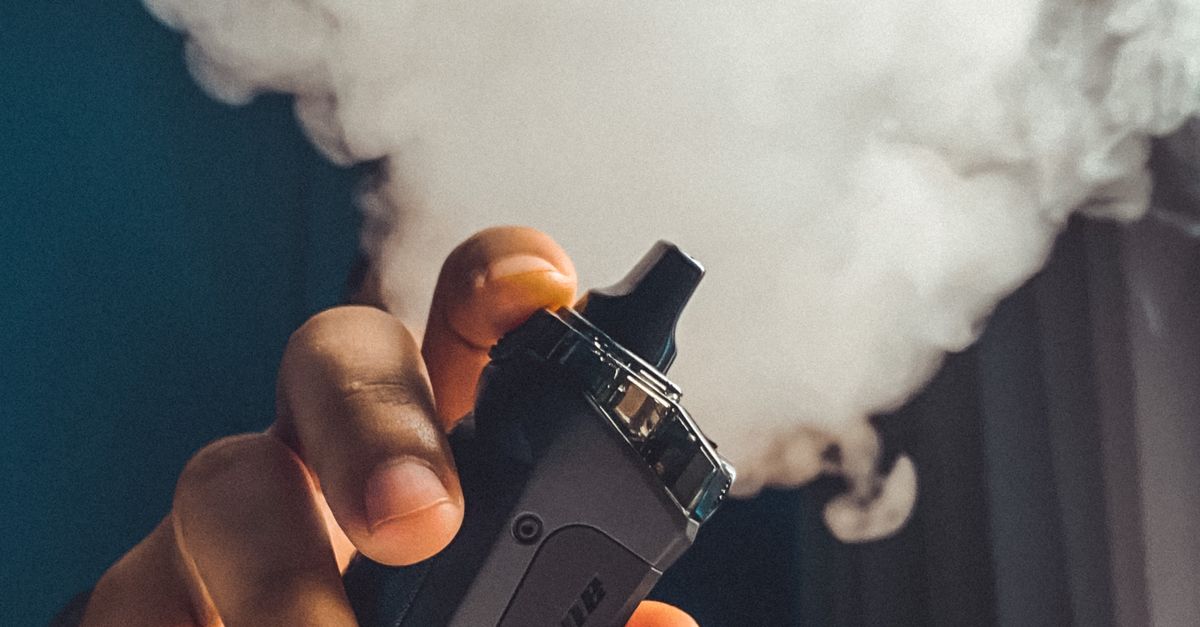
Then you found the device. A sleek, little pen-shaped thing that looks more like a USB drive than a drug delivery system. And when you confronted them, the response was a shrug:
🔗 Related: How Hypnosis Helps Your kid
“It’s not a big deal, Mom. It’s just flavoring.”
But you know it’s not just flavoring. Because behind that mango scent is nicotine — one of the most addictive substances on the planet. And your teenager is inhaling it hundreds of times a day.
The vaping epidemic isn’t a moral panic. It’s a public health crisis — and it’s hitting families in ways most parents don’t see coming.
The Numbers Are Alarming
- 2.1 million middle and high school students reported using e-cigarettes in 2025 - 90% of adult smokers started before age 18 — the vape industry is creating the next generation of nicotine addicts - Vaping delivers more nicotine than traditional cigarettes in many cases - The teen brain is uniquely vulnerable to nicotine addiction — more so than the adult brain - Most teens don’t realize they’re addicted until they try to stop
The vape industry spent billions marketing to young people. Flavors like “Blue Razz,” “Cotton Candy,” and “Juicy Peach” aren’t designed for 40-year-olds. They’re designed for teenagers.
And the strategy worked.
Why Teens Are Especially Vulnerable
The teenage brain is under construction. The prefrontal cortex — responsible for decision-making, impulse control, and understanding consequences — isn’t fully developed until the mid-20s.
Meanwhile, the brain’s reward system is highly active during adolescence. Nicotine hijacks this system directly:
- Nicotine hits the brain → dopamine floods the reward center 2. The teen brain rewards the behavior → “This feels good. Do it again.” 3. Tolerance builds quickly → more nicotine is needed for the same effect 4. Withdrawal kicks in → irritability, anxiety, difficulty concentrating 5. The cycle deepens → the teen now needs nicotine just to feel “normal”
This process can happen in weeks, not months. And because vapes deliver nicotine so efficiently, addiction can set in faster than it did with traditional cigarettes.
Most teens genuinely believe they can quit anytime. They don’t realize they’re addicted until they try — and discover they can’t.
What Parents Don’t See
The signs of teen vaping aren’t always obvious:
- Sweet smells on clothing, breath, or in the room - Increased thirst — vaping dries out the mouth and throat - Coughing — especially first thing in the morning - Irritability — particularly when they can’t vape (between classes, at dinner) - Secretive behavior — hiding devices, going to the bathroom frequently - Difficulty concentrating — nicotine withdrawal impairs focus - Spending money — vape pods cost $15–25 each, adding up quickly
If you’ve noticed any of these, trust your instincts. The devices are designed to be invisible — and the addiction is designed to be invisible too.
Why Quitting Is So Hard for Teens
Teens face unique barriers to quitting:
- Social pressure — when all their friends vape, quitting means standing out - Accessibility — vapes are everywhere and easy to get - Denial — “It’s not like smoking. It’s not that bad.” - Withdrawal symptoms — anxiety, irritability, and difficulty concentrating hit hard during the school day - No replacement ritual — vaping fills boredom, stress, and social moments; quitting leaves a void
Traditional cessation approaches (patches, gum, lectures) often fail with teens because:
-
They don’t want to be told what to do
-
They don’t identify as “smokers” or “addicts”
-
The approach doesn’t address the emotional and social drivers of the behavior
-
It feels like punishment rather than support
This is where hypnosis changes everything.
How Hypnosis Helps Teens Quit Vaping
Hypnosis works differently from traditional cessation methods — and it’s particularly effective for teens:
1. It Doesn’t Lecture
Hypnosis doesn’t tell teens they’re stupid for vaping or that they need to stop. It works with their subconscious mind directly — bypassing the resistance and defiance that make other approaches fail.
2. It Addresses the Why
Most teen vaping isn’t about nicotine pleasure. It’s about:
-
Stress management (school pressure, social anxiety)
-
Fitting in (peer acceptance)
-
Boredom
-
Emotional regulation
Hypnosis addresses these root causes — replacing the vape with healthier coping mechanisms at the subconscious level.
3. It Removes the Craving
While patches and gum manage withdrawal, hypnosis works on the desire itself. When the subconscious no longer associates vaping with relief, stress management, or social connection, the pull weakens — often dramatically after just one session.
4. It’s Fast
Most teens respond to hypnosis quickly — often in 1–3 sessions. The adolescent brain is highly suggestible and adaptable, which means change happens faster than it does in adults.
5. It Gives Them Control
Hypnosis doesn’t take control away from the teen. It gives them more control — the ability to choose not to vape, rather than feeling compelled to. This reframing is crucial for teenagers who value autonomy above all else.
What a Teen Session Looks Like
We understand that teens are different from adult clients. Our approach is:
- No-pressure conversation — we talk about their relationship with vaping without judgment 2. Education — understanding how nicotine affects their brain (teens respond to the science, not the scare tactics) 3. Hypnosis — a comfortable, guided relaxation process where we work directly with the subconscious 4. Alternative programming — installing new responses to stress, boredom, and social triggers 5. Follow-up — reinforcement as needed to ensure the changes stick
Parents are welcome to be present if the teen prefers. The goal is support, not surveillance.
The Window of Opportunity
Here’s something important to know:
The earlier a teen quits, the more completely their brain recovers. Nicotine rewires the adolescent brain rapidly — but it also recovers rapidly when the nicotine is removed.
A teen who quits at 16 has a significantly better long-term outcome than an adult who quits at 36.
Every day they continue vaping deepens the addiction and makes quitting harder. This isn’t about fear — it’s about timing. The best time to help your teen quit is now.
What Parents Can Do
- Don’t panic or punish — this shuts down communication 2. Express concern, not control — “I’m worried about you” works better than “You’re grounded” 3. Educate together — look at the research together rather than lecturing 4. Offer professional help — hypnosis gives teens an exit that doesn’t feel like parental control 5. Be patient — addiction recovery isn’t linear; setbacks are normal
Your Next Step
Your teen isn’t a bad kid. They’re a kid who got caught in an addiction that was designed to be invisible and engineered to be inescapable.
They don’t need shame. They need tools.
At Wisconsin Hypnosis Center and Apple Valley Hypnosis, we help teens break free from vaping and nicotine addiction using professional hypnosis and NLP — without lectures, without judgment, and often in just a few sessions.
If your teen is ready to quit — or if you’re ready to help them — we’re here.
Call or Text: (920) 785-8010
Website: www.WisconsinHypnosisCenter.com
Email: info@wisconsinhypnosiscenter.com
Locations: Appleton • Green Bay • Apple Valley
Sessions available in-person and online.
Professional Guided Hypnosis and NLP helps your relationship with finances, people, physical health, emotional health, and professional skills.
Did you know we teach Hypnosis and NLP for those who want to learn these skills for your business, for your personal life — or if you’d even like to be certified and have this as your next career?
**Wisconsin Hypnosis Center – **Contact Us
**Apple Valley Hypnosis – **Contact Us