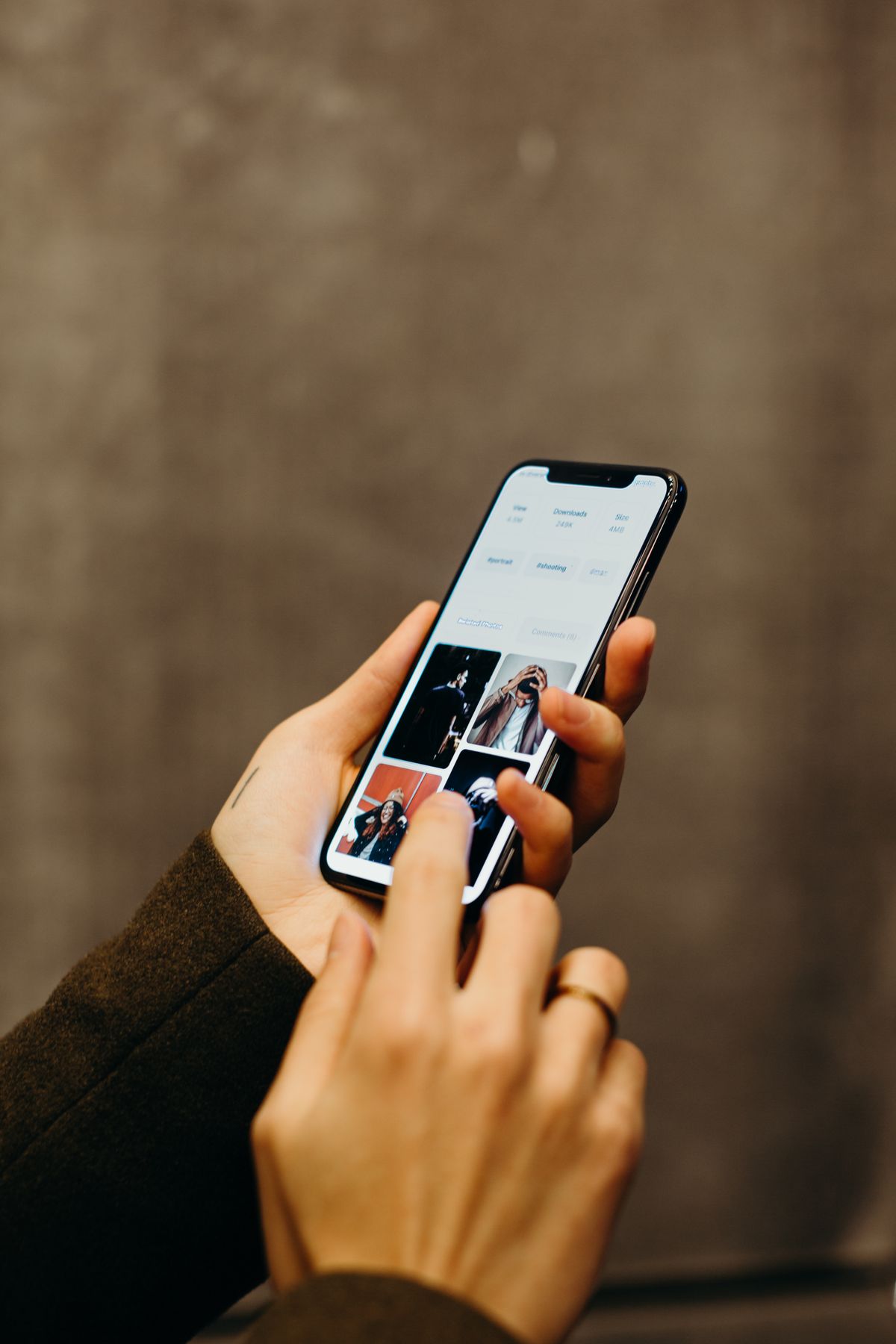
You open Instagram and feel fine. Fifteen minutes later, you feel inadequate. Someone got promoted. Someone’s on vacation. Someone’s kids are more photogenic, their house is cleaner, their body is thinner, their marriage looks happier. You know it’s curated. You know it’s not real. And it still makes you feel like you’re falling behind.
Social media comparison is one of the most pervasive forms of modern anxiety. It’s constant, it’s automatic, and it happens to people who know better. You can logically tell yourself that Instagram isn’t reality — and still feel the sting of inadequacy every time you scroll.
The comparison isn’t a logical problem. It’s an emotional one. And it lives in your subconscious mind — where hypnosis can reach it.
How Social Media Triggers Anxiety
Social media platforms are engineered to exploit your brain’s comparison circuitry. Here’s how:
The Highlight Reel Effect
Every person on social media is showing their best moments — vacation photos, achievements, family portraits, meal prep. Your brain doesn’t process these as “someone’s best 1% of their day.” It processes them as “someone’s entire life.” Then it compares that curated perfection to your unfiltered reality — the messy kitchen, the boring Tuesday, the argument you had this morning.
Variable Reward Schedule
Social media uses the same psychological mechanism as slot machines. You never know when the next like, comment, or interesting post will appear. This unpredictable reward pattern keeps your brain hooked — checking compulsively even when the last 10 checks produced nothing meaningful.
Social Hierarchy Scanning
Your brain has a deep evolutionary need to assess where you stand in the social hierarchy. Social media gives you a constant, real-time feed of everyone else’s apparent status. Every post is unconsciously evaluated: “Are they doing better than me?” This comparison is exhausting and never-ending.
Notification-Driven Interruption
Every notification is a micro-interruption that fragments your attention and pulls you out of your present moment. Over time, this trains your brain to expect constant stimulation — making silence, solitude, and offline activities feel unbearably boring.
The Perfection Trap
Social media creates an impossible standard for every area of life — how you look, what you eat, how you parent, what you achieve, where you travel. The standard isn’t just high. It’s fabricated. But your subconscious absorbs it as the benchmark for “normal.”
What Social Media Anxiety Actually Feels Like
- Constant comparison — you measure your life against others’ posts, and you always come up short - FOMO — the fear that you’re missing out on experiences, opportunities, or relationships - Validation seeking — posting and then compulsively checking for likes and comments - Curating your own image — spending excessive time editing photos, writing captions, and managing how others perceive you - Anxiety after posting — worrying about how your post will be received, or regretting posting at all - Inadequacy spiral — scrolling leads to comparison, comparison leads to self-doubt, self-doubt leads to more scrolling - Offline dissatisfaction — real life feels boring compared to the curated excitement on your feed - Sleep disruption — scrolling in bed, unable to put the phone down, lying awake comparing
Why Logic Doesn’t Work
You already know social media is curated. You’ve read the articles, seen the memes, maybe even shared them. “Comparison is the thief of joy” — you agree with that statement 100%.
And it doesn’t help. Because the comparison isn’t happening in the part of your brain that reads articles. It’s happening in the limbic system — the emotional center that processes threat and social status. That part of your brain doesn’t read your rational arguments. It responds to feelings.
When you see someone’s achievement, your limbic system doesn’t evaluate whether the photo is filtered. It registers a social status threat: “They’re doing better than me.” That threat triggers cortisol, self-doubt, and the urge to either compete or withdraw.
Hypnosis works because it reaches the limbic system directly — communicating with the emotional brain through imagery, suggestion, and feeling rather than logic.
How Hypnosis Addresses Social Media Anxiety
1. Identifying the Comparison Triggers
Hypnosis reveals which specific types of posts trigger you most — career achievements, body image, travel, relationships, parenting, wealth. Understanding YOUR triggers allows targeted intervention.
2. Reprogramming the Status Response
When your brain registers someone else’s achievement as a threat, hypnosis teaches it to respond with genuine happiness instead of comparison. “Their success doesn’t diminish mine” becomes a felt truth, not just a platitude.
3. Breaking the Scroll Loop
Hypnosis installs awareness at the trigger point — the moment you reach for your phone out of boredom, anxiety, or habit. That moment of awareness is the difference between scrolling for 45 minutes and choosing to do something else.
4. Reducing FOMO
The fear of missing out is driven by a subconscious belief that other people’s experiences are more valuable than your present moment. Hypnosis rewrites this pattern, helping your brain find satisfaction and excitement in your own life.
5. Building Internal Validation
When you depend on likes and comments for self-worth, your emotional state is controlled by strangers. Hypnosis strengthens your internal validation system — the ability to feel good about yourself independent of external feedback.
What the Research Says
- A study in the Journal of Affective Disorders found that social media comparison was the strongest predictor of depression and anxiety among social media users — stronger than total time spent scrolling - Research from the Royal Society for Public Health found Instagram ranked worst for mental health among young people, primarily due to comparison and body image anxiety - Studies show that hypnosis reduces social comparison by reprogramming the brain’s status-assessment patterns — shifting from competitive to collaborative neural pathways - A meta-analysis of hypnosis for self-esteem found significant improvements in self-worth and reduced comparison behaviors - Research demonstrates that mindfulness-based hypnosis reduces compulsive social media checking by 50–60% in heavy users
Self-Hypnosis for Social Media Anxiety
The Curated Reality Visualization
- Before you open social media, close your eyes for 30 seconds.
-
Remind yourself: “What I’m about to see is the curated version. I’m comparing my behind-the-scenes to their highlight reel.”
-
Set an intention: “I will scroll with awareness, not comparison.”
-
This 30-second practice creates a filter that changes how your brain processes what it sees.
The Gratitude Reset
- After scrolling social media, immediately write down 3 things in your own life that you’re grateful for.
-
Make them specific: not “my family” but “the way my daughter laughed at dinner tonight.”
-
This redirects your brain from comparison to appreciation — the two cannot coexist.
The “Enough” Affirmation
- In a relaxed state, repeat: “I am enough. My life is enough. I don’t need anyone else’s approval to feel worthy.”
-
Focus on FEELING the words, not just saying them.
-
Repeat daily until the feeling becomes automatic.
Your Next Step
If social media is leaving you feeling inadequate, anxious, or disconnected from your own life — if you’ve tried reducing screen time and the comparison habit persists — hypnosis addresses the underlying emotional pattern.
At Wisconsin Hypnosis Center and Apple Valley Hypnosis, we help people reclaim their peace from the comparison trap. Not by deleting social media — but by changing what your brain does when you use it.
Call or Text: (920) 785-8010
Website: www.WisconsinHypnosisCenter.com
Email: info@wisconsinhypnosiscenter.com
Locations: Appleton • Green Bay • Apple Valley
Sessions available in-person and online.
Professional Guided Hypnosis and NLP helps your relationship with finances, people, physical health, emotional health, and professional skills.
Did you know we teach Hypnosis and NLP for those who want to learn these skills for your business, for your personal life — or if you’d even like to be certified and have this as your next career?
**Wisconsin Hypnosis Center – **Contact Us
**Apple Valley Hypnosis – **Contact Us